The Fish and Food Co. | 11 days ago

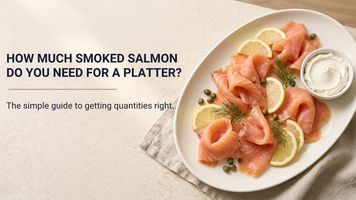
How Much Smoked Salmon Do You Need for a Platter?

Planning a smoked salmon platter? Getting the quantities right means your guests can enjoy it without unnecessary leftovers.

The amount you need depends on whether you're serving smoked salmon as a starter or the main attraction.


A Simple Portion Guide


For cold-smoked salmon ribbons or slices, allow approximately:


Light starter 50–60g


Generous starter 75g


Main platter or substantial brunch 100–120g


For example, a light starter platter for ten guests would require approximately 500–600g of smoked salmon.


What Should You Serve With It?

Keep things simple with lemon wedges, capers, cream cheese, cucumber and good-quality bread or crackers.


Fish & Food Expert Tip

If you're serving several starters, calculate your smoked salmon portions on the lighter side.

If the platter is the centrepiece of your meal, allow more.


A beautiful platter doesn't need to be complicated.


Explore our cold-smoked Norwegian salmon ribbons and sides at The Fish & Food Co.


The Salmon Specialists

The Fish and Food Co.

More Posts

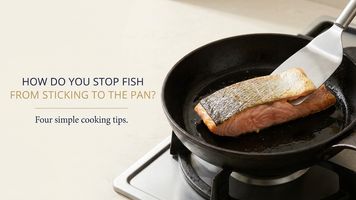
How Do You Stop Fish From Sticking to the Pan?How Do You Stop Fish From Sticking to the Pan?
How Do You Stop Fish From Sticking to the Pan?

There's nothing more frustrating than cooking a beautiful piece of fish, only to have half of it stick to the pan.

Fortunately, a few simple techniques can help.


Four Tips for Pan-Frying Fish


1. Dry the fish first.

After defrosting, gently pat your fish dry with kitchen paper. Excess moisture makes it harder to achieve a golden surface.


2. Heat your pan properly.

Use a good-quality non-stick pan or a well-seasoned frying pan. Add a little oil and allow it to heat before adding your fish.


3. Don't move it too soon.

Fish often releases more easily once a golden crust has formed. Trying to turn it too early can cause it to tear.


4. Turn it gently.

Use a wide spatula to support the fillet when turning.
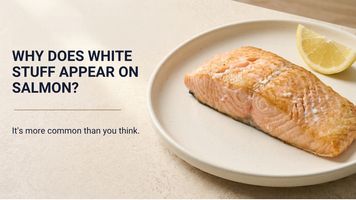

Why Does White Stuff Appear on Salmon When Cooking?Why Does White Stuff Appear on Salmon When Cooking?
Why Does White Stuff Appear on Salmon When Cooking?

Have you ever noticed a white substance appearing on your salmon while it cooks?

Don't worry. It's completely normal.

That white substance is called albumin, a protein naturally found in salmon.

As the fish heats up, its muscle fibres contract and push some of this protein towards the surface, where it becomes visible.


Is It Safe to Eat?

Yes. Albumin is harmless and perfectly safe to eat.

However, large amounts can sometimes indicate that your salmon is cooking too quickly or for too long.


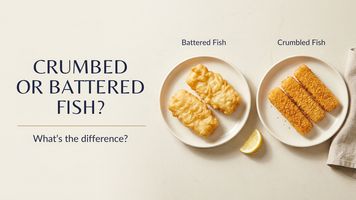
What's the Difference Between Crumbed and Battered Fish?What's the Difference Between Crumbed and Battered Fish?
What's the Difference Between Crumbed and Battered Fish?

Both are deliciously crispy, but crumbed and battered fish offer two different textures.

Understanding the difference makes choosing your next easy dinner much simpler.


Battered Fish

Battered fish has a light coating made from a flour-based mixture. When cooked correctly, it develops a golden, crispy exterior around the tender fish inside.

It's a classic choice for fish and chips.


Crumbed Fish

Crumbed fish is coated in breadcrumbs, creating a different kind of crunch.

It's particularly popular for fish fingers and other family-friendly fish options, especially when you're looking for an easy meal for children.


Which Should You Choose?

If you enjoy a traditional fish-and-chips experience, choose battered fish.

If you prefer a breadcrumb crunch, crumbed fish is a great option.


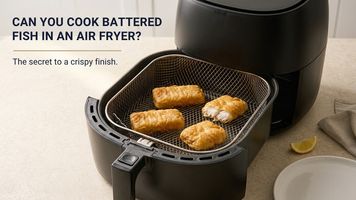
Can You Cook Battered Fish in an Air Fryer?Can You Cook Battered Fish in an Air Fryer?
Can You Cook Battered Fish in an Air Fryer?

Yes! Many frozen battered fish products can be cooked in an air fryer, making it an easy option for a quick dinner.

The trick is allowing enough space for the hot air to circulate.


How to Air Fry Battered Fish


Preheat your air fryer if recommended by the manufacturer.

Arrange the frozen battered fish in a single layer.

Cook at the temperature and for the time specified on the product packaging.

Turn halfway through if needed.

Check that the fish is cooked through and the coating is golden and crisp.


Cooking times vary depending on the thickness of the fish and the type of batter.


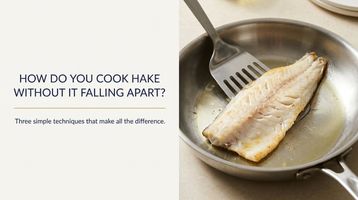
How Do You Cook Hake Without It Falling Apart?How Do You Cook Hake Without It Falling Apart?
How Do You Cook Hake Without It Falling Apart?

Hake is a wonderfully versatile fish, but its delicate texture means it can sometimes break apart during cooking.

The good news? A few simple techniques make all the difference.


Three Tips for Perfect Hake

1. Pat it dry.

After defrosting, gently pat your hake fillets dry with kitchen paper. This helps them brown rather than steam.

2. Don't move it too soon.

When pan-frying, allow the fish to cook undisturbed until it releases easily from the pan. Constant flipping is one of the biggest reasons hake breaks apart.

3. Use a wide spatula.

Support the entire fillet when turning or transferring it to a plate.

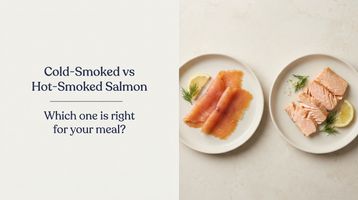
Cold-Smoked vs Hot-Smoked Salmon: Which Should You Choose?Cold-Smoked vs Hot-Smoked Salmon: Which Should You Choose?
Cold-Smoked vs Hot-Smoked Salmon: Which Should You Choose?

Both are delicious, but cold-smoked and hot-smoked salmon are quite different in texture, flavour and how they're best enjoyed.


Cold-smoked salmon is silky, delicate and thinly sliced. It has a smooth texture and a gentle smoky flavour, making it ideal for platters, starters, bagels and elegant entertaining.


Hot-smoked salmon is cooked during smoking, giving it a firmer, flaky texture and a more pronounced smoky flavour. It's perfect for salads, pasta, light lunches or a quick dinner.


Which should you choose?


Building a beautiful starter platter?

Choose cold-smoked salmon.


Making a fresh summer salad?

Hot-smoked salmon flakes beautifully through the ingredients.


Need an easy family dinner?

Hot-smoked salmon is ready to serve with potatoes or vegetables.


Hosting brunch?

Cold-smoked salmon is ideal with bagels, cream cheese and lemon.


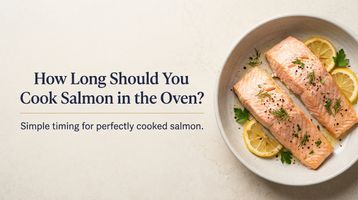
How Long Should You Cook Salmon in the Oven?How Long Should You Cook Salmon in the Oven?
How Long Should You Cook Salmon in the Oven?

Salmon is one of the easiest fish to cook in the oven, but getting the timing right makes all the difference.


For defrosted Norwegian salmon portions, preheat your oven to 200°C.


As a general guide:


125g portions:

approximately 10–12 minutes.


200g portions:

approximately 12–15 minutes.


A whole salmon side:

approximately 20–25 minutes, depending on thickness.

These are starting points — thicker pieces may need longer, and a thin side may cook more quickly.

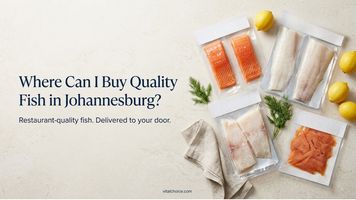
Where Can I Buy Quality Fish in Johannesburg?Where Can I Buy Quality Fish in Johannesburg?
Where Can I Buy Quality Fish in Johannesburg?

Looking for restaurant-quality fish without visiting multiple shops?

The Fish & Food Co. is a specialist online fish supplier delivering premium, flash-frozen fish throughout Johannesburg.


What Can You Order?

Our range includes Norwegian salmon, hake, kingklip, sea bass and sole, along with smoked salmon and convenient family favourites.

Whether you're planning an everyday dinner, Shabbat meal or special occasion, choosing the right fish doesn't need to be complicated.


Why Buy From a Fish Specialist?

We focus on quality sourcing, carefully selected products and helping customers choose the right fish and quantities for their needs.


With convenient online ordering and Johannesburg delivery, restaurant-quality fish is only a few clicks away.

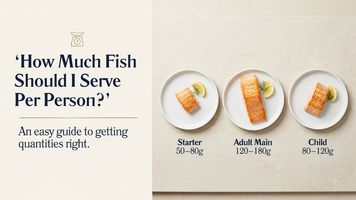
How Much Fish Should I Serve Per Person?How Much Fish Should I Serve Per Person?
How Much Fish Should I Serve Per Person?

One of the questions we're asked most often is: "How much fish do I need?"


As a general guide, allow 180–200g of fish per adult when fish is the main course.

For a lighter lunch, starter or meal with several other dishes, you may need less.


Quick Portion Guide

Main course: 180–200g per adult

Starter: Approximately 50–80g per person

Children: Approximately 80–120g, depending on age and appetite


Remember that these are guidelines for edible fish portions. Whole fish, bones and other inedible parts need to be considered separately.