
Fish Made Simple 

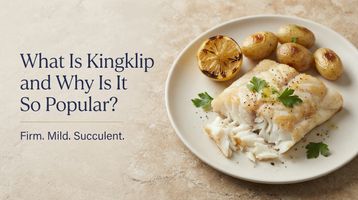
What Is Kingklip and Why Is It So Popular?What Is Kingklip and Why Is It So Popular?
What Is Kingklip and Why Is It So Popular?

Kingklip is one of South Africa's favourite premium white fish.


It has firm, succulent flesh and a mild flavour, making it easy to cook while still feeling a little more special than an everyday white fish.

Its firmer texture also makes kingklip incredibly versatile. Bake it with lemon and herbs, cook it on the braai or pan-fry it with a little butter and garlic.

It's a great choice for entertaining, weekend dinners or whenever you're looking for a substantial alternative to salmon.
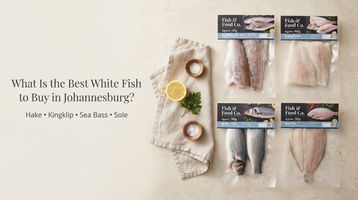
Hake: One of the Easiest Fish for Family DinnersHake: One of the Easiest Fish for Family Dinners
Hake: One of the Easiest Fish for Family Dinners

Hake deserves a place in every family freezer.

It has a mild flavour, soft flaky texture and is incredibly versatile — making it an easy choice for everything from quick weeknight dinners to meals for children.

Bake it with lemon and herbs, coat it in a crispy crumb, pan-fry it or use it for homemade fish tacos. Its gentle flavour also makes hake a great starting point for children or anyone who says they “don't really eat fish”.


https://fishandfood.co.za/products/Hake-Fillets-Skin-On-1kg-Pack-p232343837

What Does “Flash-Frozen at Peak Freshness” Really Mean?What Does “Flash-Frozen at Peak Freshness” Really Mean?
What Does “Flash-Frozen at Peak Freshness” Really Mean?

You’ll often see us describe our fish as flash-frozen at peak freshness.

But what does that actually mean — and why does it matter?


What is flash-freezing?

Flash-freezing means bringing fish down to a frozen temperature very quickly after processing, rather than allowing it to freeze slowly over a long period.

The faster freezing process helps protect the natural structure of the fish, which is important for maintaining its texture and overall quality.


Why does freezing speed matter?

When food freezes, ice crystals form within it.

Slower freezing can result in larger ice crystals, which can cause more damage to the delicate structure of the fish.

Rapid freezing produces much smaller ice crystals, helping the fish retain its natural texture when it is eventually thawed and cooked.